
100 S University Blvd. Mobile, AL 36608


Many patients in Plateau, AL feel nervous before a cleaning because they simply don’t know what to expect. Understanding what really happens during your professional teeth cleaning appointment in Plateau can turn that anxiety into confidence. At Hollon and Taylor Dental Mobile, Dr. Robin Hollon and the hygiene team walk every patient through each step. Knowledge makes the entire experience easier and more comfortable.
A professional cleaning is more than just polishing your teeth. It’s a thorough health checkup for your entire mouth. Each phase of the appointment serves a specific purpose. Let’s break down exactly what happens from the moment you sit in the chair.
Step One: The Initial Oral Exam and Health Review
Before any cleaning tools come out, your hygienist reviews your health history. They ask about any changes in medications, new health conditions, or concerns you’ve noticed. This background check directly shapes how your cleaning proceeds. Certain conditions — like gum disease or sensitive teeth — require adjusted techniques.
Next, the hygienist performs a visual exam of your entire mouth. They look at your gums, teeth, tongue, and cheeks for anything unusual. They check for signs of inflammation, recession, or suspicious tissue changes. Early detection during this stage can catch serious problems before they worsen.
Dental X-rays may also be taken at this point, especially if you’re due for your annual series. X-rays reveal what eyes cannot — decay between teeth, bone loss, or developing issues below the gumline. Dr. Robin Hollon reviews these images and discusses findings with you directly.
What Really Happens During Your Professional Teeth Cleaning: The Scaling Phase
Scaling is the most important part of what really happens during your professional teeth cleaning appointment in Plateau. Your hygienist uses a small metal tool called a scaler to remove hardened tartar from tooth surfaces. Tartar — also called calculus — forms when plaque isn’t brushed away and hardens over time. No amount of home brushing can remove tartar once it’s set.
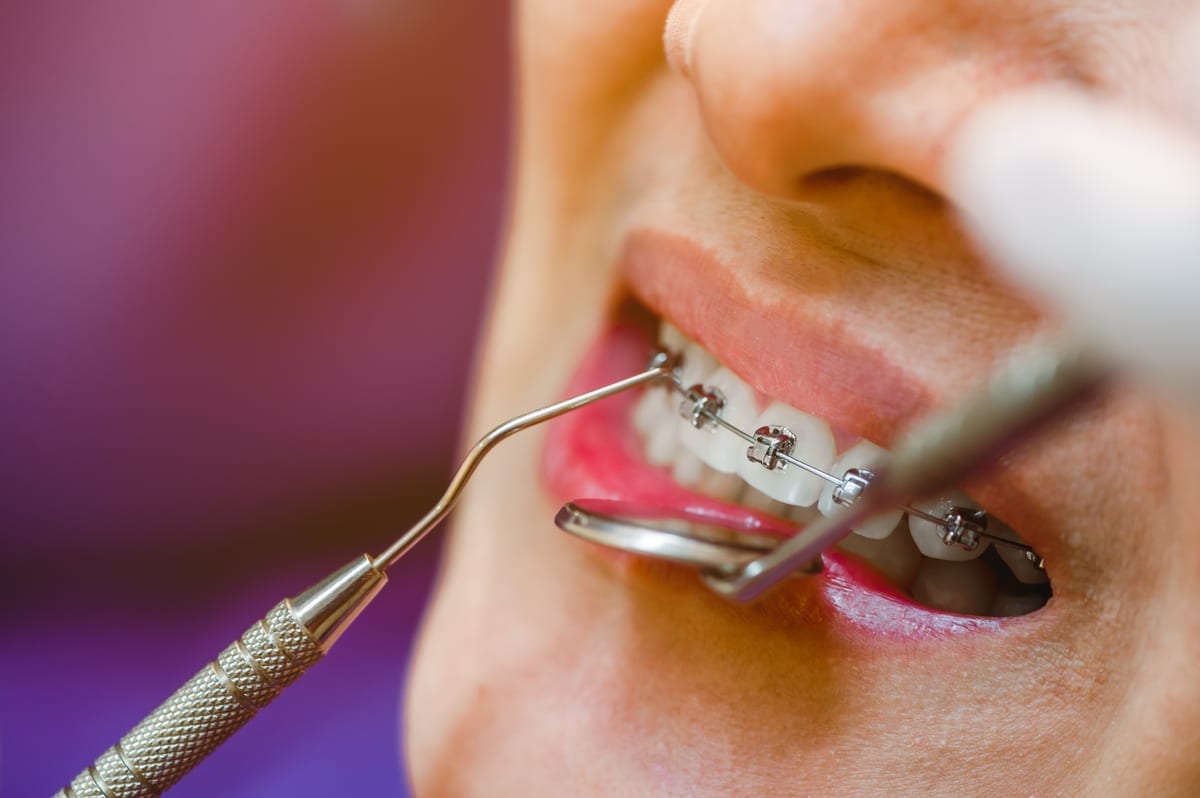
The hygienist works carefully along the gumline and between each tooth. You may hear scraping sounds, but that is completely normal. The process is thorough, not rushed. Areas where tartar builds up most — the lower front teeth and back molars — get extra attention.
Some patients also receive an ultrasonic scaler, which uses gentle vibrations and a water spray to break up larger deposits. This tool is especially useful for patients with significant buildup. It speeds up the process without increasing discomfort. Your hygienist will choose the right tool combination for your needs.
Polishing, Flossing, and Fluoride Treatment
After scaling, your hygienist polishes your teeth using a slightly gritty paste called prophy paste. A small rotating rubber cup buffs each tooth surface individually. This removes surface stains from coffee, tea, and food. It also leaves your teeth feeling noticeably smooth and clean.
Professional flossing follows the polish. Your hygienist slides floss between every tooth and under the gumline. They’re checking for bleeding, tenderness, and tight contact points. This step also removes any loosened debris from earlier in the cleaning.
Many appointments finish with a fluoride treatment. Fluoride strengthens enamel and helps prevent future decay. It comes in gel, foam, or varnish form and is applied directly to your teeth. The whole process takes just a minute or two but provides lasting protection.
- Scaling removes hardened tartar that brushing cannot reach
- Polishing buffs away surface stains and smooths enamel
- Flossing clears debris and checks for gum sensitivity
- Fluoride application strengthens enamel between visits
- Each step builds on the last to give you a thorough clean
Gum Health Measurements and What They Mean
Gum health is one of the most important things your hygienist evaluates during your visit. They use a small probe to measure the depth of the pockets between your teeth and gums. These measurements are recorded in millimeters. Healthy gums typically measure between one and three millimeters.
Deeper pocket measurements can signal early or advanced gum disease. Your hygienist calls out numbers as they measure, and a dental assistant records them. This chart becomes part of your permanent record. Comparing measurements visit to visit helps track whether your gum health is improving or declining.
Gum disease is a leading cause of tooth loss in adults. Catching it early through regular cleanings gives patients the best chance of reversing damage. Patients in Plateau dealing with swollen or bleeding gums often see significant improvement with consistent professional care.
- Pocket depths of 1–3 mm indicate healthy gum tissue
- Depths of 4 mm or more may require closer monitoring
- Depths above 5 mm often indicate active gum disease
- Regular measurements help track your progress over time
What Dr. Robin Hollon Looks for During the Dentist’s Exam
After the hygienist completes your cleaning, Dr. Robin Hollon performs a comprehensive exam. She reviews your X-rays, gum measurements, and any notes the hygienist flagged. She examines each tooth for signs of decay, cracking, or wear. She also checks your bite and looks for signs of grinding or jaw issues.
Dr. Hollon reviews the health of any existing dental work — fillings, crowns, or bridges. She checks for loose restorations or areas showing early failure. If she spots an issue, she explains it clearly before recommending next steps. You always understand your options before any treatment plan moves forward.
The exam also includes an oral cancer screening. Dr. Hollon visually and manually checks your lips, tongue, throat, and jaw. This takes just a minute but is a critical part of every visit. Early detection dramatically improves outcomes for any suspicious findings.
If additional treatments come up during your exam — such as a cavity that needs addressing or signs of enamel damage — options like Dental Bonding may be discussed as a conservative repair solution. And if you ever experience sudden tooth pain between visits, Emergency Dentistry services are available to help you get relief quickly.
How Often Should Plateau Patients Schedule a Cleaning?
Most patients benefit from a professional cleaning every six months. This schedule keeps tartar from building up significantly between visits. It also ensures any developing issues get caught early. Consistent visits are the single most effective tool for long-term dental health.
Some patients need more frequent cleanings — typically every three to four months. This applies to those with active gum disease, a history of heavy tartar buildup, or certain health conditions like diabetes. Dr. Hollon and your hygienist will recommend the interval that fits your specific needs. There is no one-size-fits-all schedule.
Patients in Plateau who skip cleanings often find their next visit requires more intensive scaling and longer appointment time. Regular visits actually make each appointment faster and more comfortable. Consistency is the smartest investment in your oral health.
Conclusion: Your Cleaning Is the Foundation of a Healthy Smile
A professional cleaning appointment is one of the most valuable things you can do for your long-term health. Every step — from the initial exam to scaling, polishing, and Dr. Hollon’s review — works together to protect your teeth and gums. Patients in Plateau, AL who understand the process tend to keep their appointments and maintain better overall health. You now know exactly what to expect when you walk through the door at Hollon and Taylor Dental Mobile. Book Now to schedule your appointment with our team.
Frequently Asked Questions
Does a professional teeth cleaning hurt?
Most patients experience little to no discomfort during a routine cleaning. Patients with sensitive gums or significant tartar buildup may feel some pressure or mild sensitivity. Letting your hygienist know about any sensitivity helps them adjust their approach. Numbing gel is also available for especially sensitive areas.
How long does a teeth cleaning appointment usually take?
A standard cleaning appointment at Hollon and Taylor Dental Mobile typically takes 45 to 60 minutes. This includes the cleaning itself, gum measurements, X-rays if needed, and Dr. Hollon’s exam. Patients with heavier buildup or more complex needs may require additional time. Your front desk team can give you a more specific estimate when you schedule.
What is the difference between a regular cleaning and a deep cleaning?
A regular cleaning — called a prophylaxis — removes plaque and tartar from above and just below the gumline. A deep cleaning, or scaling and root planing, goes further below the gumline to treat gum disease. Dr. Hollon recommends the appropriate type based on your gum health measurements. Most patients only need a standard cleaning at routine visits.
Can children receive professional teeth cleanings at Hollon and Taylor Dental Mobile?
Yes — the practice offers Pediatric Dentistry services for younger patients in Plateau and the surrounding area. Children benefit from early, consistent cleanings just as adults do. Starting dental visits young also helps children feel comfortable with the dental environment. Dr. Hollon and the team make every effort to create a calm, welcoming experience for kids.
What should I do between cleanings to maintain my results?
Brushing twice a day with fluoride toothpaste and flossing once daily are the most important habits between visits. Reducing sugary drinks and snacks also limits plaque formation significantly. Using a fluoride mouthwash can add an extra layer of protection. Your hygienist will offer personalized recommendations based on your specific mouth and risk factors.