
100 S University Blvd. Mobile, AL 36608
If you’ve been asking yourself, Am I actually a good candidate for dental implants in Prichard? — you’re not alone. Many patients feel uncertain before their first consultation. The good news is that most healthy adults qualify for implants. At Hollon and Taylor Dental Mobile, Dr. Robin Hollon helps patients in the Prichard area understand exactly what makes someone a strong candidate.
Dental implants are one of the most durable tooth replacement options available today. They look, feel, and function like natural teeth. But not everyone is ready for implants right away. Understanding the key factors can help you feel more confident walking into your consultation.
What Makes Someone a Good Candidate for Dental Implants?
A good candidate for dental implants is generally a healthy adult with one or more missing teeth. Your jawbone must have enough density to support the implant post. Your gums should be free of active periodontal disease. Dr. Hollon evaluates all of these factors during your initial exam.
Candidacy is not a simple yes or no answer. It depends on your unique oral and overall health picture. Many patients who initially seem like poor candidates can become excellent candidates after preparation. Treatment like bone grafting or gum disease therapy can often open the door to implants.
Here are the most common factors Dr. Hollon reviews during a candidacy evaluation:
- Jawbone volume and density at the implant site
- Gum health and presence of periodontal disease
- Overall medical health and current medications
- Tobacco and smoking habits
- Oral hygiene routine and dental history
- Age and stage of jaw development
Does Age Affect Your Candidacy for Implants Near Prichard?
Age plays an important role in implant candidacy — but not in the way most people think. Older adults are often excellent candidates for dental implants. There is no upper age limit for the procedure. What matters most is your overall health, not your birth year.
Younger patients, however, face a different concern. The jawbone must finish growing before an implant can be placed. This typically happens by the late teens or early twenties. Placing an implant too early can cause misalignment as the jaw continues to develop.
Dr. Hollon uses digital X-rays and 3D imaging to assess your bone structure. This allows for a precise evaluation regardless of your age. Patients in their 60s, 70s, and beyond regularly receive implants at our practice. Good bone health matters far more than age alone.
How Bone Density and Health Conditions Impact Your Eligibility
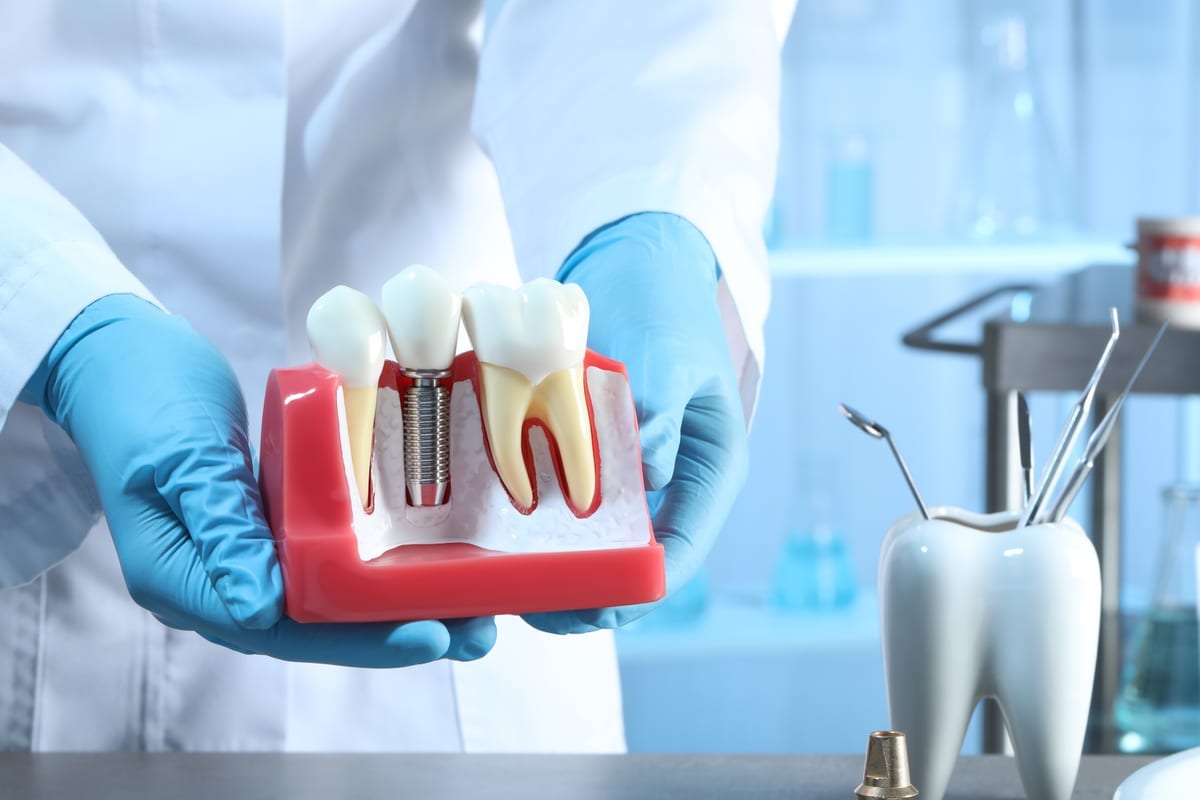
Bone density is one of the most critical factors in implant success. The implant post fuses directly with your jawbone through a process called osseointegration. If your bone is too thin or weak, this fusion may not hold properly. Bone loss often occurs naturally after a tooth is removed.
The longer a tooth has been missing, the more bone loss may have occurred. That is why Dr. Hollon often recommends acting sooner rather than later. In cases of significant bone loss, a bone graft can rebuild the area before implant placement. This adds time to the process but greatly improves long-term outcomes.
Certain health conditions also affect candidacy. These include:
- Uncontrolled diabetes — affects healing and increases infection risk
- Autoimmune disorders — may interfere with osseointegration
- Osteoporosis — can reduce bone density at the implant site
- Blood clotting disorders — may complicate surgical healing
- Active cancer treatment — radiation near the jaw can affect bone health
Many of these conditions do not automatically disqualify you. They simply require careful evaluation and coordination with your medical provider. Dr. Hollon works closely with patients to find the safest, most effective path forward.
What Smokers and Patients with Gum Disease Should Know
Smoking significantly reduces implant success rates. Tobacco use restricts blood flow to the gums and bone. This slows healing after implant surgery and raises the risk of implant failure. Patients who smoke are strongly encouraged to quit before and after the procedure.
Even light or occasional smoking creates risk. Dr. Hollon will have an honest conversation with you about your habits. Some patients choose to quit smoking in order to move forward with implants. That commitment alone can dramatically improve your candidacy.
Gum disease is another major concern. Active periodontal disease creates bacteria that can attack the implant site. Implants placed in infected gum tissue are far more likely to fail. The good news is that gum disease is treatable. Once your gums are healthy, implants become a realistic option.
Patients who have had a dental emergency and lost a tooth suddenly may wonder about their next steps. Emergency Dentistry at our practice can address immediate concerns before you begin the implant planning process. Acting quickly after tooth loss helps preserve the surrounding bone.
Are There Alternatives if You’re Not Ready for Implants?
Not every patient is ready for implants right away — and that is perfectly okay. Dr. Hollon will always explore your full range of options. Some patients benefit from preparatory treatments that improve candidacy over time. Others may prefer a different restoration approach entirely.
One popular option for minor tooth concerns is Dental Bonding, which can restore chipped or slightly damaged teeth without surgery. It is a conservative, affordable, and quick solution. While it does not replace missing teeth like implants do, it can address cosmetic concerns in the meantime.
Bridges and partial dentures are also alternatives worth discussing. These options do not require surgery or bone grafting. However, they do not prevent bone loss the way implants do. Dr. Hollon will help you weigh the pros and cons of each solution based on your specific situation.
What to Expect During Your Implant Consultation at Hollon and Taylor Dental Mobile
Your consultation is a judgment-free conversation about your goals and oral health. Dr. Hollon will review your medical and dental history in detail. Digital X-rays and a full oral exam will be performed. You will leave with a clear picture of your options.
If you are a strong candidate, the team will walk you through the implant timeline. If preparation is needed first, you will receive a step-by-step treatment plan. Nothing moves forward without your full understanding and consent. Our goal is to make sure you feel confident and informed at every stage.
Patients from Prichard and surrounding communities choose Hollon and Taylor Dental Mobile because of our thorough, personalized approach. We take time to answer every question. No concern is too small to address. Your comfort and health always come first.
Conclusion
Wondering if you’re actually a good candidate for dental implants in Prichard is the first step toward making an informed decision. Factors like age, bone density, gum health, and lifestyle habits all play a role. Many patients who start out uncertain discover that implants are well within reach. Dr. Robin Hollon and the team at Hollon and Taylor Dental Mobile are here to guide you every step of the way. Book Now to schedule your appointment with our team.
Frequently Asked Questions
Can I get dental implants if I have diabetes?
Uncontrolled diabetes can increase the risk of infection and slow healing after implant surgery. However, patients with well-managed diabetes often qualify for implants. Dr. Hollon will review your health history and may coordinate with your physician before recommending a treatment plan.
How long does the dental implant process take?
The full process typically takes several months from start to finish. This includes the implant placement, a healing period for osseointegration, and placement of the final crown. If preparatory treatments like bone grafting are needed, the timeline may be longer.
Is there an age limit for getting dental implants?
There is no upper age limit for dental implants. Older adults in good overall health are often excellent candidates. However, younger patients must wait until the jawbone has finished developing, which usually occurs in the late teens or early twenties.
What happens if I don’t have enough bone for an implant?
If your jawbone lacks the density needed to support an implant, bone grafting may be recommended. This procedure adds bone material to the deficient area. After healing, many patients then qualify for implant placement. Dr. Hollon will evaluate whether grafting is the right option for you.
Does smoking automatically disqualify me from getting implants?
Smoking does not automatically disqualify you, but it significantly increases the risk of implant failure. Patients who smoke are strongly encouraged to quit before and after surgery. Dr. Hollon will have an honest discussion with you about how your habits affect your candidacy and long-term implant success.