

100 S University Blvd. Mobile, AL 36608

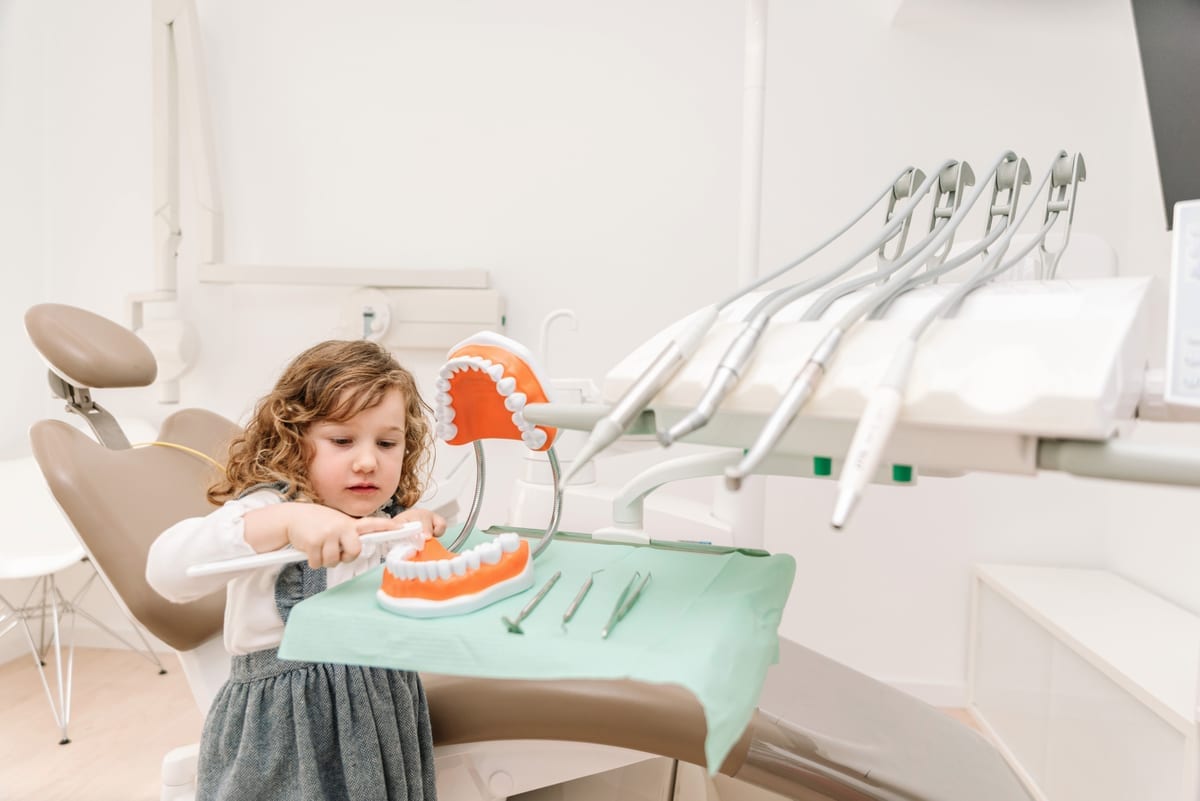
Cavities are the most common chronic disease in children. Yet most of them are completely preventable. At Hollon and Taylor Dental Mobile, Dr. Robin Hollon helps Mobile, AL families stop cavities before they start with simple, proven strategies. This complete prevention guide gives parents everything they need to protect their child’s smile from the very first tooth.
Why Cavity Prevention Starts Earlier Than You Think in Mobile, AL
Many parents assume baby teeth don’t matter much. That belief leads to serious problems. Baby teeth hold space for permanent teeth and affect how children chew, speak, and develop confidence. Decay in baby teeth can spread quickly and cause pain, infection, and costly treatment.
Cavity prevention begins before your child’s first birthday. The American Academy of Pediatric Dentistry recommends a dental visit by age one. Starting early builds healthy habits and catches problems before they grow. Mobile families who prioritize early dental care set their children up for a lifetime of healthier smiles.
Dr. Robin Hollon sees children of all ages at Hollon and Taylor Dental Mobile. Early visits are low-pressure and educational. They help your child feel comfortable in the dental chair while giving parents personalized guidance.
Brushing Techniques by Age: What Parents Need to Know
Brushing technique matters more than most parents realize. The right approach changes as your child grows. Using the wrong method — or skipping steps — leaves plaque behind and increases cavity risk.
Follow these age-specific brushing guidelines:
- 0–12 months: Wipe gums with a soft, damp cloth after feeding.
- 1–2 years: Use a soft-bristled infant toothbrush with a rice-grain amount of fluoride toothpaste.
- 3–5 years: Increase toothpaste to a pea-sized amount. Brush for two minutes, twice daily. Parents should brush for their child at this stage.
- 6–8 years: Supervise brushing closely. Children still lack the fine motor skills to brush effectively alone.
- 9 years and older: Encourage independence but spot-check regularly. Introduce flossing as part of the daily routine.
Always brush in gentle, circular motions along the gumline. Avoid harsh scrubbing, which can damage enamel. Replace your child’s toothbrush every three months or after any illness.
Flossing should begin as soon as two teeth touch. Most children need parental help with flossing until age 10 or 11. Floss picks designed for kids make the process easier and more fun.
Diet and Cavity Risk: What Your Child Eats Matters
Sugar feeds the bacteria that cause cavities. But the frequency of sugar exposure matters more than the total amount. Sipping juice all day long does far more damage than a single sweet treat at mealtime.
Help your child’s teeth by making these dietary shifts:
- Limit sugary drinks like juice, soda, and sports drinks to mealtimes only.
- Choose water as the main between-meal beverage — especially fluoridated tap water.
- Offer tooth-friendly snacks like cheese, raw vegetables, and unsweetened yogurt.
- Avoid sticky candies, gummy vitamins, and dried fruit that cling to tooth surfaces.
- Never put a child to bed with a bottle of milk, formula, or juice.
Cheese deserves special mention. It raises mouth pH and reduces acid levels. A small cube of cheese after a meal can actively protect enamel. Simple swaps like these make a real difference over time.
Parents in Mobile should also know that many flavored waters and sports drinks are highly acidic. Acid erodes enamel even when sugar content is low. Water remains the safest and healthiest choice between meals.
Fluoride and Dental Sealants: Your Child’s Best Defense
Fluoride strengthens tooth enamel and reverses early decay. It is one of the most effective cavity-prevention tools available. Mobile’s public water supply contains fluoride, making tap water a simple daily source.
Children who drink mostly bottled water may miss out on fluoride benefits. Dr. Robin Hollon can assess your child’s fluoride needs during a routine visit. In some cases, fluoride supplements or professional fluoride treatments are recommended.
Professional fluoride varnish applied at dental visits provides extra protection. It takes just minutes and causes no discomfort. Many children benefit from fluoride varnish at every six-month checkup.
Dental sealants offer a different but equally valuable layer of protection. Sealants are thin plastic coatings painted onto the chewing surfaces of back teeth. They seal off deep grooves where food and bacteria commonly hide. Studies show sealants prevent up to 80% of cavities in back teeth. The procedure is quick, painless, and highly effective for school-age children.
Most children are ready for sealants when their first permanent molars come in, usually around age six. A second set of molars arrives around age 12. Dr. Robin Hollon evaluates each child’s needs individually to determine the right timing.
When to Worry: Signs Your Child May Have a Cavity
Even with great prevention habits, cavities can still develop. Catching them early means simpler, less invasive treatment. Parents should know the warning signs to watch for between dental visits.
Contact Hollon and Taylor Dental Mobile promptly if your child reports:
- Tooth pain or sensitivity to hot, cold, or sweet foods
- A visible hole or dark spot on a tooth
- Pain when biting or chewing
- Swelling or tenderness near a tooth or in the gums
- Persistent bad breath that brushing does not resolve
Some cavities cause no pain at all, especially in early stages. That is exactly why regular dental checkups matter so much. X-rays allow Dr. Robin Hollon to detect decay between teeth that is invisible to the naked eye.
Untreated cavities do not heal on their own. They grow larger and deeper over time. Early treatment protects the tooth, reduces discomfort, and keeps costs manageable. Do not wait for pain to schedule an appointment.
How Hollon and Taylor Dental Mobile Supports Your Child’s Oral Health
Our team at Hollon and Taylor Dental Mobile takes a gentle, child-friendly approach to every visit. We explain each step in age-appropriate language so children feel informed and calm. Dr. Robin Hollon brings warmth and expertise to every appointment.
We offer a full range of services including Cosmetic Dentistry Mobile for older patients and comprehensive pediatric care for the youngest members of your family. Our goal is to make your child’s dental experience positive from day one. A great early experience builds a lifetime of healthy dental habits.
We also offer Dental Implants Mobile for adult patients who need tooth replacement solutions. Whether your family needs preventive care, restorative treatment, or anything in between, our team is here to help every step of the way.
Scheduling routine checkups every six months is the single most important thing you can do for your child’s dental health. Prevention is always easier — and kinder — than treatment. Let our team be your partner in protecting those precious smiles. Book Now to schedule your appointment with our team.
Frequently Asked Questions
At what age should my child first visit the dentist?
The American Academy of Pediatric Dentistry recommends a first dental visit by age one or within six months of the first tooth appearing. Early visits help establish healthy habits and allow the dentist to catch any concerns before they become larger problems.
How much toothpaste should I use for my toddler?
For children under age three, use a rice-grain-sized smear of fluoride toothpaste. For children aged three to six, increase to a pea-sized amount. Always supervise brushing to ensure your child spits and does not swallow toothpaste.
Are dental sealants safe for children?
Yes, dental sealants are safe and highly effective. They are made from a thin, BPA-free plastic resin and are applied without drilling or anesthesia. Sealants can prevent up to 80% of cavities in the back molars, making them one of the best preventive tools available for school-age children.
Can my child still get cavities even if they brush twice a day?
Yes, it is possible. Brushing alone does not always reach every surface, especially between teeth. Diet, fluoride exposure, saliva quality, and genetics all play a role in cavity risk. Regular dental checkups, flossing, and professional fluoride treatments help fill in the gaps that brushing misses.
What should I do if my child has a toothache?
Contact your dentist as soon as possible. A toothache can signal a cavity, infection, or other dental issue that needs professional attention. Do not wait to see if the pain goes away on its own. Prompt evaluation by Dr. Robin Hollon at Hollon and Taylor Dental Mobile can prevent the problem from worsening.