

100 S University Blvd. Mobile, AL 36608

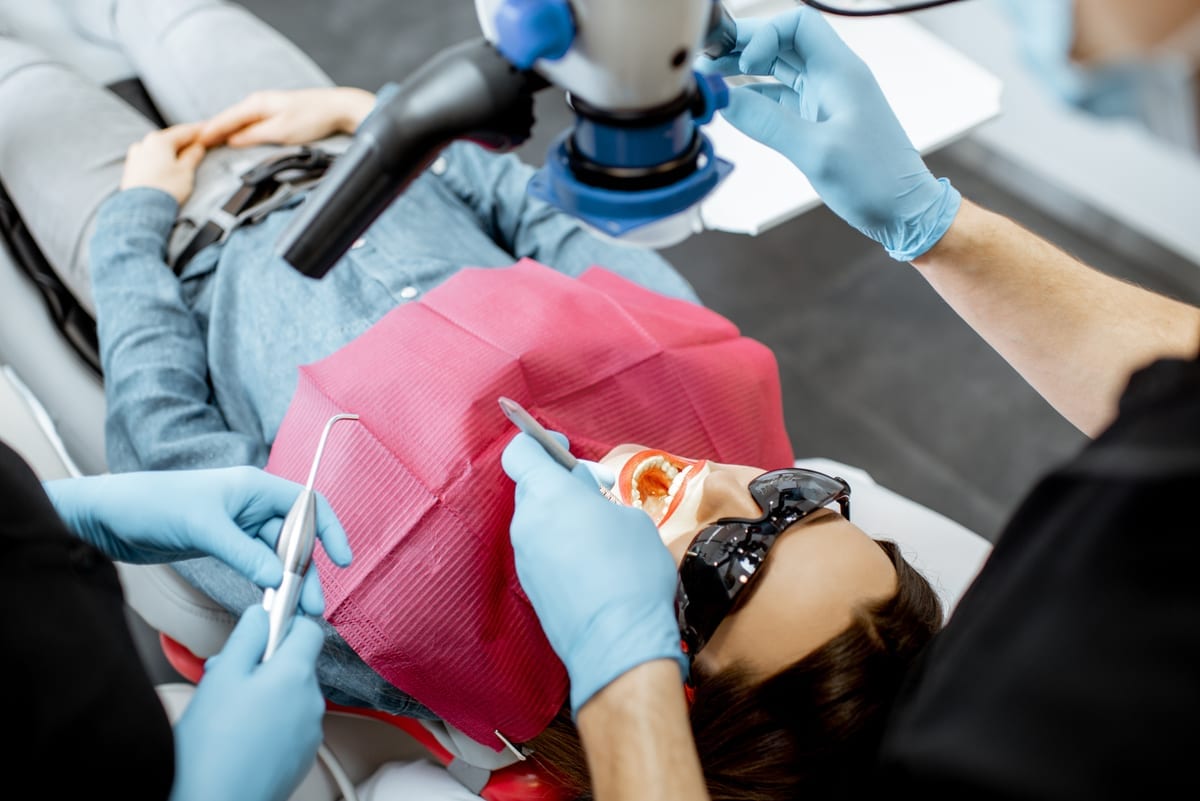
If you’ve been told you need a root canal, you’re probably feeling nervous. Many patients in Mobile, AL fear the procedure more than they need to. Understanding what actually happens during your root canal procedure in Mobile can completely change your perspective. At Hollon and Taylor Dental Mobile, Dr. Robin Hollon walks every patient through each stage so there are no surprises.
Why Root Canals Have an Undeserved Reputation
Root canals have a scary reputation — but most of that fear comes from outdated information. Modern dentistry has transformed this procedure into something routine and manageable. Most patients are surprised by how comfortable the experience actually is.
The pain people associate with root canals usually comes from the infection, not the treatment. The procedure itself is designed to relieve that pain. Think of it as the cure rather than the cause of your discomfort.
At Hollon and Taylor Dental Mobile, our team understands dental anxiety is real. Dr. Robin Hollon takes extra time to explain every step before it happens. That transparency makes a significant difference for nervous patients.
Step-by-Step: What Actually Happens During Your Root Canal Procedure in Mobile
Knowing exactly what to expect removes a lot of the fear. Here is a clear breakdown of each stage of the procedure from start to finish.
- Examination and X-rays: Dr. Hollon first reviews your X-rays to assess the infection and plan the treatment.
- Local anesthesia: A numbing injection is placed around the tooth and surrounding gum tissue.
- Dental dam placement: A small rubber sheet isolates the tooth and keeps the area clean and dry.
- Access opening: Dr. Hollon creates a small opening through the top of the tooth to reach the inner pulp.
- Pulp removal: Infected pulp tissue is carefully removed using small, precise instruments.
- Canal shaping and cleaning: The canals inside the root are shaped, cleaned, and disinfected thoroughly.
- Filling the canals: The cleaned canals are filled with a biocompatible material called gutta-percha.
- Temporary or permanent seal: The access opening is sealed to protect the tooth from bacteria.
- Crown placement: In most cases, a dental crown is placed later to fully restore the tooth’s strength.
Each step moves quickly once the anesthesia takes full effect. Most root canals at our Mobile office take between 60 and 90 minutes. Some complex cases may require a second appointment to complete.
What You Actually Feel at Each Stage
This is the part patients are most curious about. Knowing what sensations to expect helps you stay calm throughout the process.
During the numbing injection, you may feel a brief pinch or mild pressure. That feeling passes quickly. The gum around the injection site may feel slightly tender for a moment.
Once the anesthesia works, you should feel no sharp pain during the procedure. You may feel pressure or movement as Dr. Hollon works inside the tooth. Those sensations are completely normal and do not indicate pain.
During pulp removal and canal shaping, most patients feel almost nothing. Some people feel mild vibrations from the instruments. If you ever feel discomfort, Dr. Hollon can add more anesthesia immediately.
After the procedure, your mouth will feel numb for a few hours. Once the numbness fades, mild soreness around the tooth is common. Over-the-counter pain relief is usually all patients need for the first day or two.
Benefits of Saving Your Natural Tooth With a Root Canal
Some patients wonder if extraction would be simpler. In most cases, saving your natural tooth is the better long-term choice. Here is why Dr. Robin Hollon recommends root canal treatment whenever possible.
- Your natural tooth provides better chewing strength than any replacement option
- Keeping the tooth maintains the natural alignment of surrounding teeth
- It prevents bone loss that often follows a tooth extraction
- A restored tooth looks and feels completely natural
- Root canal treatment is generally more cost-effective than extraction plus replacement
- Recovery is typically faster than recovering from a full extraction
Losing a back molar can affect how you chew and speak over time. Preserving your natural teeth protects your oral health for the long term. Root canal treatment makes that preservation possible in most cases.
Patients at Hollon and Taylor Dental Mobile who follow through with a crown after their root canal see excellent long-term results. The restored tooth can last a lifetime with proper care. Good oral hygiene and regular cleanings are the key to that longevity.
What to Expect After Your Root Canal in Mobile
Recovery after a root canal is straightforward for most patients. You can typically return to work or normal activities the same day. The numbness from anesthesia will wear off within two to four hours.
Mild sensitivity around the treated tooth is normal for a few days. Avoid chewing hard foods on that side until Dr. Hollon places your permanent crown. Soft foods are comfortable and recommended during the initial healing period.
Most patients are genuinely surprised by how smooth the recovery is. The infection is gone, the pain is relieved, and the tooth is saved. That outcome is exactly what root canal treatment is designed to achieve.
If you also have younger family members who need dental care, our team offers Pediatric Dentistry Mobile services in a warm, gentle environment. And once your smile is fully restored, many patients explore options like Cosmetic Dentistry Mobile to brighten or enhance their results further.
Ready to Take the Next Step?
Dental fear should never stand between you and the care you need. Dr. Robin Hollon and the entire team at Hollon and Taylor Dental Mobile are here to support you from the first call to the final appointment. We answer every question honestly and walk you through each step with patience and care. Book Now to schedule your appointment with our team.
Frequently Asked Questions
Is a root canal painful?
Most patients experience very little discomfort during the procedure itself. Local anesthesia numbs the area completely before treatment begins. Any mild soreness after the procedure typically resolves within a day or two.
How long does a root canal take at Hollon and Taylor Dental Mobile?
Most root canals are completed in a single appointment lasting 60 to 90 minutes. More complex cases involving curved or multiple canals may require a second visit. Dr. Hollon will give you a clear time estimate during your exam.
Do I need a crown after my root canal?
In most cases, yes. A crown protects the treated tooth and restores its full chewing function. Dr. Hollon will discuss the best restoration option based on the location and condition of your tooth.
Can I drive myself home after a root canal?
Yes, in most situations you can drive yourself home after a root canal. The procedure uses local anesthesia, which does not affect your ability to drive. If you feel anxious and have requested additional sedation, you may want to arrange a ride.
What happens if I ignore a tooth that needs a root canal?
Ignoring an infected tooth allows the infection to spread to surrounding teeth and bone. This can lead to more serious health complications and may make extraction unavoidable. Early treatment is always the best path to preserving your natural tooth.